OUR EXPERIMENTAL PROCESS
We have been conducting multiple experiments using electrochemistry to enhance plant growth. What we found is revolutionary.

DESIGN
We wanted to determine if it was possible to enhance plant growth by altering soil conditions. In order to do so, we developed a device that injects electrons into the soil to create a positively charged environment
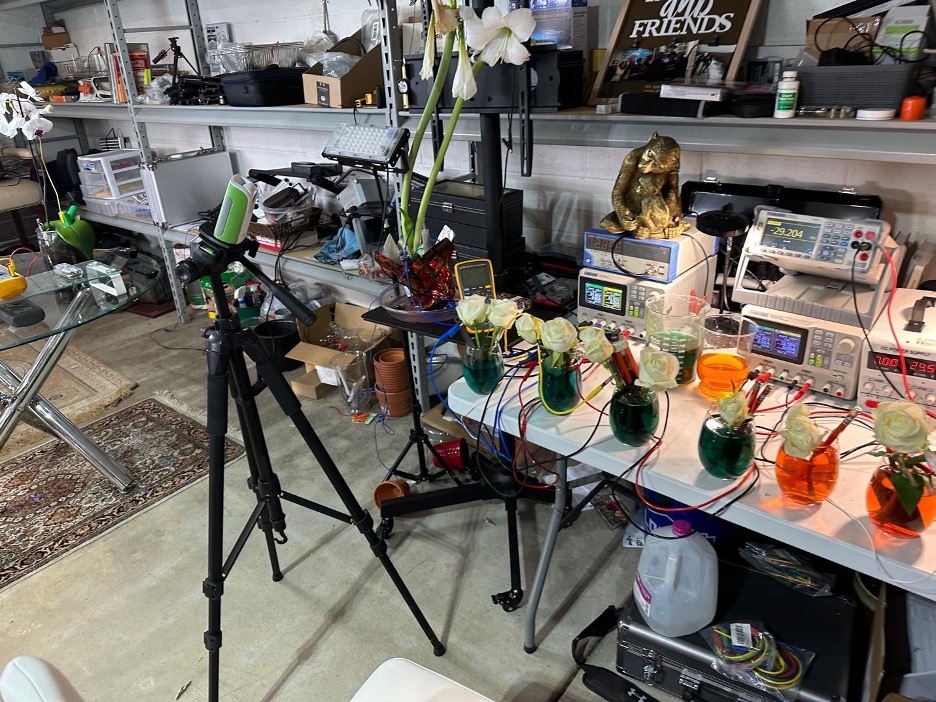
LABORATORY TESTING & IMPLEMENTATION
We had two groups of plants and flowers: the control group and the experimental group. Over the period of a couple of months, we injected electrons into the soil of the experimental group to create a negatively charged environment.
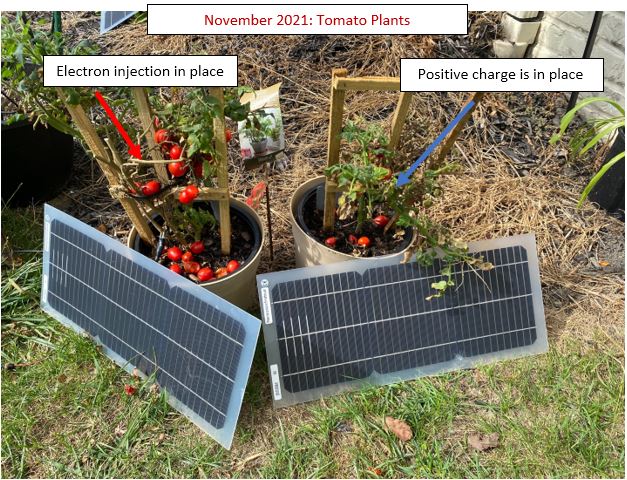
RESULTS
After altering the soil using electron injections, we found that the plants in the experimental group grew bigger and more prolific than the positively charged control group. This finding will revolutionize the agricultural industry.


Shining Flowers by Electrochemical Treatment – Agri-Genics Innovation
Agri-Genics has developed a breakthrough electrochemical treatment that makes flowers naturally shine by enhancing pigment stability, surface gloss, and light reflection. This is achieved through controlled electron injection and redox modification, which intensifies colors, slows wilting, and creates a radiant appearance without chemicals or dyes.
Why it Matters
-
New Market Value: Creates a premium category of “electronically enhanced flowers.”
-
Sustainable: Reduces need for harmful preservatives and sprays.
-
Scientific Proof: Demonstrates electrochemistry as a tool for aesthetics, plant health, and longevity.
-
Strategic Impact: Positions Agri-Genics as a pioneer in electrochemical agriculture with patentable IP and global commercial potential.
Future Significance
This innovation is not only about beauty—it is a proof of concept that plants can be enhanced naturally and sustainably using electrochemistry, opening pathways for both agricultural productivity and cultural aesthetics.

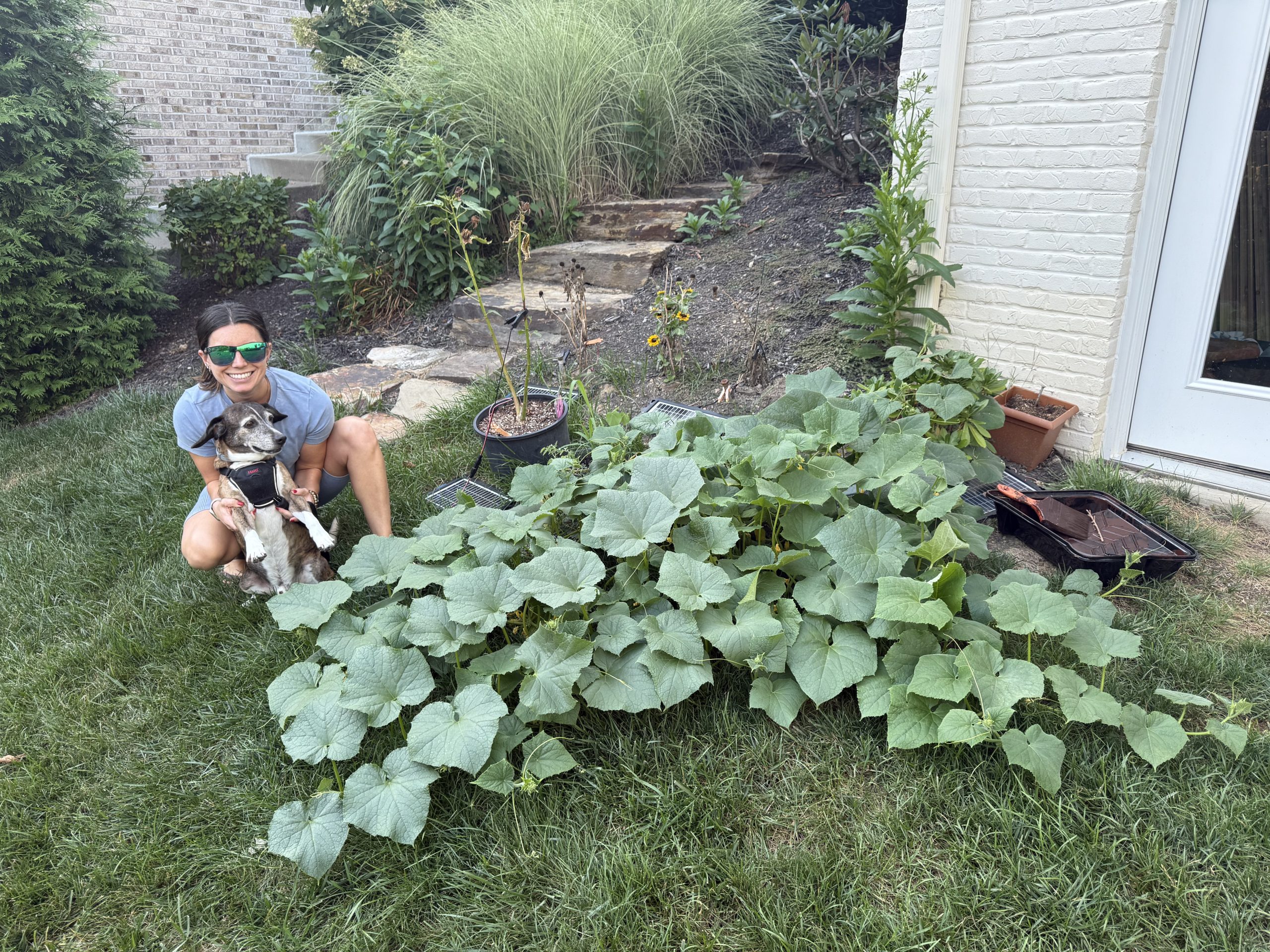
The images above provide compelling evidence of the transformative effect of electron injection on plant growth. In the top image, the leaves on the right—exposed to electron injection—are visibly larger and healthier compared to the untreated leaf on the left. Both plants were grown under identical soil chemistry and environmental conditions, leaving no doubt that the accelerated growth is a direct result of the electron injection process.
This breakthrough represents a paradigm shift in agriculture. By enhancing growth without altering soil or relying on chemicals, electron injection offers a clean, scalable, and sustainable solution to meet global food security challenges. We believe this innovation has the power to disrupt the agricultural industry, driving higher yields, healthier crops, and reduced environmental impact.
We are actively seeking forward-thinking collaborators and strategic partners to help commercialize and scale this technology worldwide. As a result, we are looking for a collaborator to commercialize these inventions.
1. Concept Overview
Our investigation centers on the application of electron injection—a targeted electrochemical process—to stimulate plant growth, enhance nutrient uptake, and improve overall plant health. The concept is grounded in the principle that controlled electron flow into a plant’s root zone can influence redox conditions in the soil–root interface, alter electrochemical gradients, and promote biochemical processes favorable for growth.
2. Scientific Basis
● Electrochemical Influence on Plants: Plant root systems rely on electrochemical gradients to absorb nutrients and water. By introducing a low-level direct current (DC) or controlled electron flow, we can manipulate the oxidation–reduction potential (ORP) of the rhizosphere.
● Expected Mechanisms:
o Enhanced Nutrient Mobility: Reduction in soil-bound ions (e.g., Fe³⁺ to Fe²⁺) makes micronutrients more bioavailable.
o Stimulated Enzyme Activity: Electrons can activate redox-dependent enzymes involved in photosynthesis, respiration, and nitrogen assimilation. Pathogen Suppression: Modifying ORP can create conditions less favorable for certain soil pathogens
3. R&D Objectives
● Validate the feasibility of electron injection for agricultural and forestry applications.
● Quantify growth enhancement compared to non-electron-injected controls.
● Assess secondary effects such as soil chemistry modification, microbial community changes, and plant stress tolerance. Plant root systems rely on electrochemical gradients to absorb nutrients and water. By introducing a low-level direct current (DC) or controlled electron flow, we can manipulate the oxidation–reduction potential (ORP) of the rhizosphere.
Accordingly, we invite you to contact us to discuss our vision for a partnership at your convenience. If you would like additional information about this technology, please contact Dr. Zee via telephone at +1-412-952-9441 or via email communication: zee@agri-genics.com.